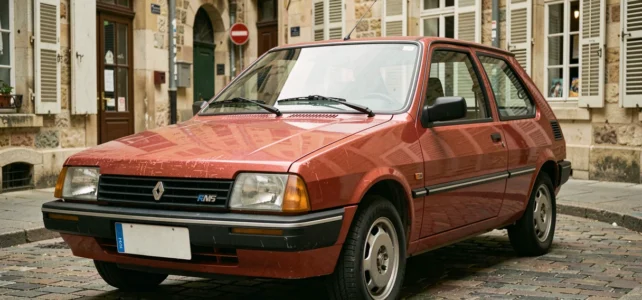
The Renault 5 and the Super 5 look similar at first glance. Same city car size, same Renault logo, same reputation as a popular car. However, these two models belong to distinct technical generations, separated by more than a decade of progress in automotive design. Understanding the differences between the Renault 5 and the Super 5 helps in making a better choice when buying used or simply identifying what you encounter on the road.
Technical platform of the Super 5: much more than a facelift
Have you ever noticed that two cars can look alike on the outside but offer a completely different experience inside? That’s exactly what’s happening here.
The original R5, produced from 1972, is based on an architecture designed in the 1960s. The Super 5, launched in 1984, uses a completely new platform derived from the Renault 9 and 11. This is not just a cosmetic facelift. The entire undercarriage changes: running gear, body structure, mechanical layout.
In practical terms, this translates to a more spacious cabin, more stable road behavior, and better sound insulation. The R5 retains a rustic charm, with its torsion bar suspension and compact size. The Super 5 offers a driving comfort that brings it closer to the sedans of the time. If you’re looking to delve deeper into the differences between the R5 and the Super 5, this platform leap is the key point to remember.
In summary, two cars that bear almost the same name, but whose technical foundations have nothing in common.
Body and style: recognizing an R5 from a Super 5 at first glance
The R5 features a typical 1970s design. Its lines are angular, almost geometric. The rectangular headlights are embedded in the body, the grille is narrow and vertical, and the black plastic bumpers remain very visible.
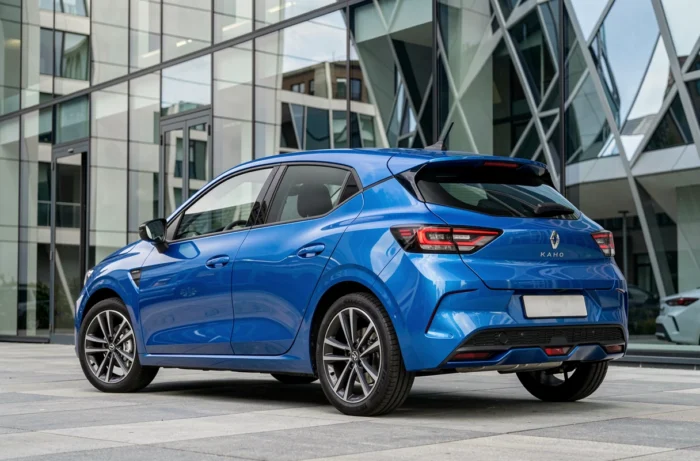
The Super 5 adopts a more rounded, fluid visual language. Curves replace angles. The overall profile appears more aerodynamic, even if the dimensions remain close. Why this change? Renault was following the evolution of European automotive design, which favored smooth shapes to reduce drag and modernize the brand image.
Here are some visual cues to quickly distinguish them:
- The R5 has rectangular headlights recessed into the body, while the Super 5 features more integrated and streamlined optics
- The bumpers of the Super 5 are often painted the same color as the body, while those of the R5 remain in raw plastic
- The rear window of the Super 5 is larger and sloped, giving a more modern look to the rear
- The door handles change shape: recessed on the Super 5, protruding on the R5
At a car show or in a parking lot, these details allow for almost instant identification.
Engines and sporty versions: from Cléon-Fonte to turbo
The R5 started with small gasoline engines, suitable for everyday urban use. Its mechanics remained simple, easy to maintain with basic tools. The most common versions developed modest power, sufficient for the city but limited on the road.
The Super 5 inherited a wider engine range. The gasoline engines gained power and flexibility. Renault also offered diesel versions of the Super 5, which did not exist on the original R5.
The Super 5 GT Turbo, a sporty break
This is probably the most famous version. The Super 5 GT Turbo features a Cléon-Fonte engine equipped with a turbocharger. This engine transforms the small city car into an accessible sports car, with performance far superior to that of mass-produced models.
The R5 also had its dynamic versions (Alpine, Turbo), but the GT Turbo of the Super 5 marked an entire generation of enthusiasts. It remains one of the most sought-after youngtimers on the French market today. Its value continues to rise, and finding a well-maintained example requires patience.
Equipment and comfort on board: two eras, two philosophies
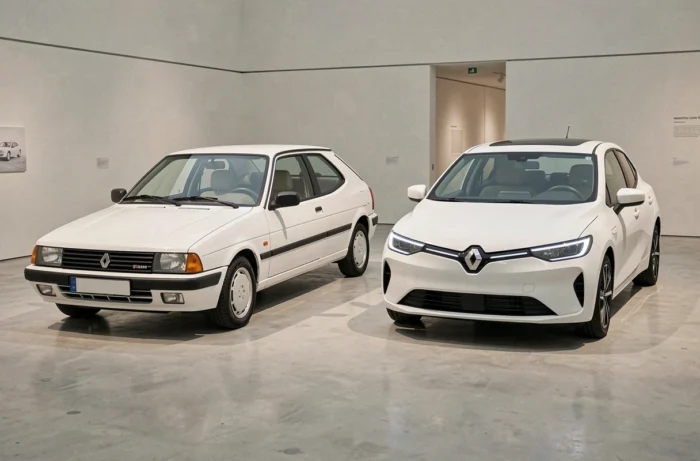
Getting into an R5 after driving a Super 5 is like stepping back in time. The R5 offers a minimalist dashboard, basic seats, and very few options. Ventilation remains rudimentary, and the sound system sometimes consists of just an aftermarket radio.
The Super 5, especially in its high-end trims like the Baccara, offers a level of equipment that surprises for a city car of that era. Electric windows, velvet or leather upholstery, tachometer, mirrors adjustable from the cabin: all these details change daily life.
- The GTL trim of the Super 5 targets drivers looking for a good compromise between consumption and equipment
- The Baccara version adds unusual touches of refinement for the city car segment
- The Five version, launched at the end of the career, focuses on a younger look with colorful touches
The Super 5 introduced modern comfort into the category of small Renaults. The R5, on the other hand, remains faithful to a utilitarian approach where lightness and mechanical simplicity are prioritized.
Maintenance and spare parts in the used market: a criterion not to be overlooked
For enthusiasts considering a purchase, the question of maintenance arises differently depending on the model. The R5, being older, uses components that can sometimes be difficult to source. Some parts specific to the early series are no longer manufactured and depend on the salvage market.
The Super 5 benefits from a more recent architecture and parts shared with other Renault models of the same era (Renault 9, Renault 11). This compatibility facilitates the search for mechanical and body components. Parts like the speedometer, electrical harness, or suspension elements are still relatively easy to find.
The choice between R5 and Super 5 in a collection also depends on your ability to maintain the car in the long term. The Super 5 offers a real practical advantage in this regard, even if the R5 retains a stronger nostalgic value among purists.