When you open your closet one March morning after wearing the same three sweaters all winter, the realization is harsh: half of the pieces no longer fit, and the other half is wearing out. The fashion trends that truly last all year are not those hastily copied from the runways, but those that solve the problem of rotation between seasons.
Archive capsules and premium outlets: the fashion circuit that changes the game
Since July 19, 2026, major fashion companies in the EU are no longer allowed to destroy their unsold textiles. This ban, stemming from Article 25 of Regulation (EU) 2024/1781 on the eco-design of sustainable products (ESPR), covers clothing, shoes, and fashion accessories such as belts, scarves, and gloves.
The direct consequence for everyday style: designer stocks are flooding the resale circuits. Stock sales, premium outlets, “archive” capsules, chic refurbished items. You can access high-quality pieces at prices that didn’t exist two years ago.
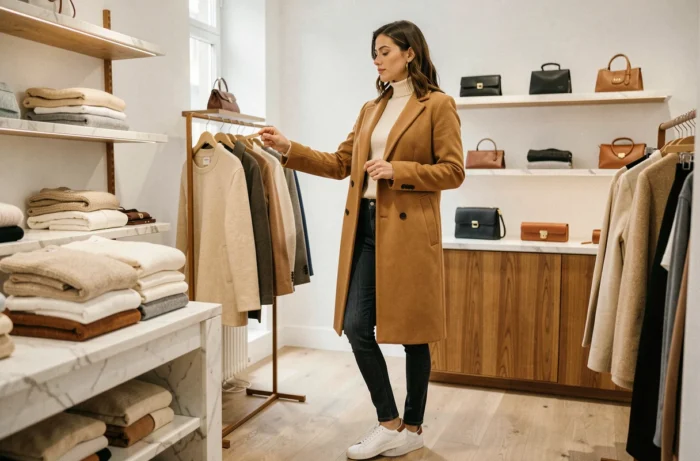
Specifically, this means you can find a structured coat or a thick knit dress from previous collections, perfectly suited for a sustainable wardrobe. Following fashion on DLG Fashion helps spot these pieces before they disappear from the circuits.
Brands are also required to publish the volumes of products destroyed in their sustainability reports. This transparency pushes retailers to better manage their end-of-line items, which fuels a parallel market of good deals on still-current pieces.
Year-round wardrobe: betting on materials that transcend seasons
The classic reflex is to buy “seasonal” pieces. A light jean for spring, a thick pant for winter. You end up with double the necessary clothing. The practical approach is to invest in materials that work for at least three seasons.
Dual-use fabrics
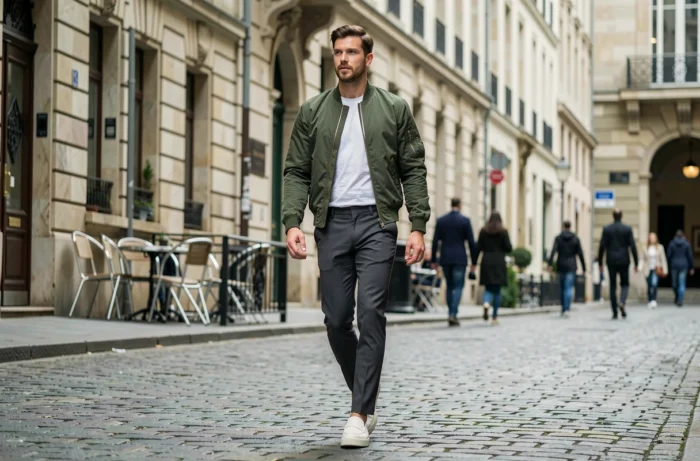
A raw denim with a sufficiently dense weight can be worn from September to May without issue. A brushed cotton jacket transitions from mid-season to autumn under a parka. Looking for versatile fabrics reduces the volume of the closet without sacrificing style.
Returns vary on this point depending on body types and regions, but a few materials consistently appear in lasting wardrobes:
- Raw or semi-rigid denim, which ages beautifully over time and adapts to both dressed-up and casual looks
- Ribbed knit in cotton or merino wool, worn alone in spring or as a mid-layer in winter
- Mixed linen (linen-cotton), less wrinkly than pure linen, usable from spring to late summer and layered in autumn
Color as a guiding thread
Rather than following the “official” color of a season, it’s beneficial to build your palette around two or three neutral tones and an accent color. Beige, navy, and off-white transcend all seasons. You can add a burgundy in autumn-winter or a lavender blue in spring to refresh the whole without buying everything anew.
Sustainable style trends: slow rotation pieces
The concept of “slow rotation” comes from a simple observation: the pieces we wear most often are rarely the trendiest at purchase. They are those whose cut remains stable from year to year.
A straight pleated pant, for example, endures trends better than an ultra-wide cargo pant or an ultra-skinny fit. The straight cut always comes back because it never really goes away. The same logic applies to the shirt dress, which works at the office with loafers in October and on the terrace with flat sandals in June.

Three slow rotation pieces that deserve a real investment:
- A slightly oversized blazer in structured wool or cotton, wearable over a t-shirt or a fine knit
- A pair of leather shoes with a flat sole (loafers, derbies), which replace white sneakers in most looks
- A mid-length trench coat in waterproof cotton, the most cost-effective piece in the wardrobe from March to November
Prioritizing three beautiful slow rotation pieces instead of eight seasonal purchases radically changes the coherence of a wardrobe.
Labels and textile traceability: read before buying
With the expected arrival of extended producer responsibility (EPR textile) across the EU by 2028, the traceability of clothing is becoming a concrete issue. We’re talking about digital product passports that will allow you to know the origin of materials, the manufacturing conditions, and the recyclability of a garment.
For everyday style, this changes the way we shop. Checking the composition on the label becomes as common as trying on a size. A sweater labeled “cashmere” that contains less than half cashmere will not age like a genuine cashmere sweater. A “vegan leather” made from polyurethane will never patina like full-grain leather.
Classic trend guides rarely talk about textile composition. Yet this is what determines whether a piece will still be wearable in two years or if it will end up misshapen after a few washes.
Building a style that lasts all year relies less on following seasonal trends and more on the quality of choices at purchase. A wardrobe tightened around well-cut pieces, in durable materials, with a few targeted additions each season, remains the most reliable method to stay stylish without thinking about it every morning.